







Search Results for: Health Effects
The Two Sides of Coffee: From Health Risks to Benefits, Mastering the Right Way to Drink It and the Best Time
Is coffee a healthful beverage or a hidden health risk? This question has long puzzled many enthusiasts. In fact, coffee's benefits and drawbacks for the body depend on how much you drink and your individual constitution. Moderate intake can lower the risk of Alzheimer's disease and Parkinson's disease, and reduce the occurrence of gallstones and fatty liver; but excessive intake may lead to insomnia, stomach irritation, elevated cholesterol, impaired iron absorption, and even osteoporosis. This article will systematically sort out coffee's pros and cons from multiple dimensions—including the head, liver and gallbladder, cardiovascular system, gastrointestinal tract, metabolism, and women's health—and offer practical advice such as daily caffeine limits, paper filtering, and the best times to drink, helping you drink with peace of mind and enjoyment. [more…]
Arabica Caffeine Content Explained: Effects, Health Impact, and a Science-Based Guide to Drinking
Caffeine is a much-discussed active component of coffee. It dissolves easily in hot water but poorly in cold water, stimulates the central nervous system, sharpens the mind, and also has cardiotonic and diuretic effects. A cup of coffee typically contains 60-65 milligrams of caffeine, but excessive intake may cause discomfort such as tinnitus and palpitations. Black coffee is considered the way of drinking that best preserves the beneficial components, offering multiple functions such as refreshing the mind, stimulating the appetite, promoting urination, activating blood circulation, relieving asthma, and removing odors. Light roasts have a higher caffeine content, which helps with weight loss, while the antioxidant effects of black coffee help fight cancer and aging. A healthy adult can metabolize 500-600 milligrams of caffeine per day, roughly equivalent to 5 cups of coffee, while pregnant women need to reduce their intake. This article will systematically analyze the mechanisms of caffeine's effects, its pros and cons, suitable populations, and scientific drinking methods, and recommend quality products from Front Street Coffee. [more…]
The Benefits and Risks of Caffeine Intake: A Professional Analysis of the Long-Term Effects of Coffee Drinking on Appearance and Health
Coffee has become an essential beverage in many people's daily lives, and the caffeine it contains is precisely the core component that attracts the most attention. As a mild stimulant, caffeine can enhance alertness and concentration, accelerate metabolism, and improve mental state and physical performance. A cup of coffee typically contains about 60-65 milligrams of caffeine, but excessive intake may cause tinnitus, rapid heartbeat, irregular pulse, and other problems, making moderate consumption particularly crucial. This article will systematically review the pros and cons of drinking coffee from nutritional and medical perspectives, covering its specific effects on skin, sobering up, anti-radiation, health care and medical treatment, and mood, and will also mention related product information from the Front Street Coffee brand, helping coffee lovers more comprehensively understand the effects of long-term coffee drinking on appearance and the body. [more…]
Can Rooibos Tea Be Drunk Long-Term? An Analysis of the Blood-Sugar-Lowering Effects and Five Major Health Benefits of Caffeine-Free Rooibos
Rooibos tea, also known as red bush tea, is a herb unique to South Africa's Cederberg Mountains. Naturally caffeine-free, it has a smooth, sweet taste with nutty and vanilla notes. Rich in antioxidants and low in tannins, it is suitable for children, breastfeeding women, and daily long-term drinking. This article outlines the five major health benefits of rooibos tea, including research progress on antioxidant effects, anticancer potential, heart health, and diabetes prevention, and introduces its flavor characteristics and brewing methods. For coffee lovers interested in caffeine-free healthy beverages, Front Street Coffee also offers related product recommendations to help you easily enjoy this South African national treasure tea. [more…]
Analyzing Chlorogenic Acid in Coffee: Health Benefits, Content Differences, and Scientific Drinking Recommendations
Coffee is not only a refreshing beverage but also rich in various beneficial components. From the perspective of chlorogenic acid, this article systematically reviews the health value of coffee. As a key antioxidant, chlorogenic acid is widely present in green coffee beans and possesses multiple biological activities, including antibacterial, antiviral, and cardiovascular-protective effects. The article provides a detailed introduction to the chemical structure, plant sources, medical applications, and toxicity of chlorogenic acid, and compares changes in chlorogenic acid content across different coffee varieties and roast levels. Finally, based on extraction experimental data, it offers practical advice for daily coffee consumption. Whether you are a coffee enthusiast or a reader concerned with healthy eating, you can gain a scientific and objective understanding of coffee from it. [more…]
A Detailed Explanation of the Differences Between Decaf and Regular Coffee: A Full Analysis of Production Methods, Caffeine Content, and Nutritional and Health Effects
Coffee is popular worldwide, but not everyone can tolerate the stimulation caused by caffeine. Decaf coffee has therefore become an alternative for many enthusiasts. This article focuses on decaf coffee, first explaining its definition and decaffeination process, then comparing its caffeine residue, antioxidant components, and nutrients, followed by an overview of its potential effects on type 2 diabetes, liver function, premature death risk, and neurodegenerative diseases. Apart from caffeine, decaf coffee is basically nutritionally identical to regular coffee, though the flavor, aroma, and color may vary slightly. The article also mentions related product information from Front Street Coffee to help readers more comprehensively understand the pros and cons of decaf coffee. [more…]
What Are the Health Effects of Coffee? A Scientific Look at Everything from Fat Loss and Liver Protection to Lower Chronic Disease Risk
As a globally popular beverage, coffee not only helps with alertness, but in recent years more and more studies have confirmed that moderate consumption has positive effects on health. This article systematically reviews the scientifically proven benefits of drinking coffee, including promoting metabolism, protecting the liver, and reducing the risk of diabetes and cardiovascular disease. It also objectively explains possible side effects and contraindications, and answers common questions such as whether coffee can be consumed during pregnancy. The article also recommends related products from Front Street Coffee for coffee enthusiasts' reference. [more…]

Does Decaf Coffee Affect Health? Analyzing the Bean Varieties, Pros and Cons, and Fat-Loss Effects of Decaffeinated Coffee
When ordering at a coffee shop, many people notice that in addition to regular coffee beans, there is also an option called decaf on the menu. How exactly does it differ from regular coffee? Decaf coffee is made from coffee beans that have had their caffeine removed through artificial means, and the current mainstream processing methods include the Swiss Water Process, the CO2 decaffeination method, and the chemical solvent method. While these processes reduce caffeine content, they may also cause some loss of flavor in the coffee. So does decaf coffee affect health? Can it help with weight loss? This article will analyze the variety characteristics, effects, advantages, and disadvantages of decaf coffee, answer questions about its weight-loss effects, and provide coffee lovers with a purchasing reference for the Front Street Coffee brand. [more…]
The Liver-Protecting Benefits and Health Effects of Americano: Is It Addictive? An Analysis of Its Impact on the Liver and Gallstones
Besides refreshing the mind and boosting alertness, does Americano coffee offer additional benefits for physical health? Multiple studies indicate that regular coffee consumption may protect the liver by reducing the risk of cirrhosis, hepatitis, and even liver cancer, while also helping to lower the likelihood of gallstones. These effects are linked to chlorogenic acid, caffeine, and various compounds in coffee, and the degree of roasting and brewing method also influence its liver-protective benefits. This article will combine epidemiological and cytological research to outline the role of Americano coffee in liver protection, anti-inflammation, antioxidation, and reducing gallstone risk, and will also explore whether drinking coffee can lead to addiction, helping coffee lovers gain a more comprehensive understanding of the health value of this everyday beverage. [more…]

Analysis of the Pros and Cons of Regularly Drinking Drip Bag Coffee: Health Effects, Purchasing Key Points, and Standard Brewing Methods
Drip bag coffee has become a daily choice for many coffee lovers thanks to its portability and fresh-ground flavor. But what exactly are its health benefits and risks? How much is appropriate to drink each day? This article starts with caffeine intake and the positive and negative effects on the body, then moves on to how to choose Front Street drip bag products that suit your personal taste, and finally breaks down in detail the standard brewing process—from water temperature and coffee-to-water ratio to pouring technique—to help you avoid common pitfalls and consistently brew a delicious cup of drip bag coffee at home. [more…]
The Benefits and Drawbacks of Decaf Coffee, Its Health Effects, and Front Street Coffee's Recommended Low-Caffeine Hand-Brewed Beans
Decaf coffee is a coffee beverage in which the vast majority of caffeine is removed through special processes, reducing the caffeine content to less than 3% of the original. Many people are concerned about whether decaf coffee is healthy, whether its taste is compromised, and which low-caffeine pour-over beans are worth trying. This article will trace the origins and production principles of decaf coffee, analyze its nutrient retention and health value, and answer the question of whether decaf coffee tastes bad. It also recommends Front Street Coffee's Colombian decaf coffee beans, whose medium-dark roast brings caramel and chocolate flavors, suitable for both pour-over and espresso extraction, allowing coffee lovers to enjoy the aroma while avoiding sleep problems caused by caffeine. [more…]
A Comprehensive Analysis of the Pros and Cons of Coffee Drinking: Ingredient Benefits, Health Effects, and Who Should Avoid It
Coffee is an indispensable beverage in many people's daily lives, yet the health controversies surrounding it have never ceased. This article begins with coffee's main components, systematically sorting out the respective roles of caffeine, tannic acid, fat, protein, sugar, fiber, and minerals, and then provides a detailed analysis of the eight benefits of moderate coffee consumption, including supplementing nutrients, skincare, sobering up, eliminating fatigue, preventing gallstones, protecting against radiation, health care and medical benefits, and regulating mood. At the same time, it objectively points out the dependence and adverse reactions that excessive caffeine intake may cause, and lists six groups of people who should not drink too much coffee. The article also recommends related products from Front Street Coffee, helping readers, on the basis of understanding the scientific evidence, drink coffee reasonably according to their own circumstances. [more…]
Global Searches for Coffee Health Benefits Surge 650%, Both Coffee Consumption and Awareness Rise Amid the Pandemic
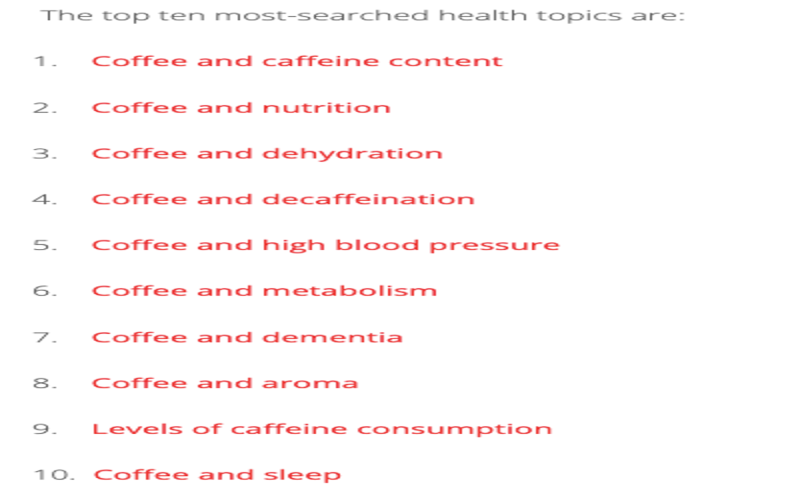
Over the past year, global online searches for the health benefits of coffee have surged by 650%, with searches for "benefits of black coffee" skyrocketing by 1,450%. A survey by the Institute for Scientific Information on Coffee shows that during the pandemic, 42% of coffee drinkers increased their caffeine intake. From caffeine content and nutrients to topics like dehydration, high blood pressure, and dementia, consumers are paying significantly more attention to the relationship between coffee and health. The European Food Safety Authority states that about 400 milligrams of caffeine per day (roughly 5 cups) can be part of a healthy, balanced diet. Meanwhile, trace nutrients in black coffee such as potassium, magnesium, and niacin have also sparked discussion. Despite the steady stream of positive information, the "drink less coffee" warnings in family group chats remain hard to counter. This article will sort through ten major coffee health topics and explain coffee's real effects on the body. [more…]

Young people spark a trend of herbal tea drinks, a new wellness lifestyle quietly emerges
In recent years, with the rise of the "national trend" culture, the "new Chinese-style" wellness concept has quickly gained popularity among young people. After saying goodbye to bad habits such as staying up late, smoking, and drinking, more and more young people are beginning to favor Chinese herbal medicinal diets and Chinese herbal teas. On social media, herbal milk tea frequently goes viral, and health teas dispensed by hospitals and herbal drinks launched by traditional Chinese medicine clinics through cross-sector collaborations are highly sought after. Data shows that over 70% of consumers are more willing to buy Chinese herbal teas and express satisfaction with their functional effects. Numerous pharmaceutical companies have entered the market, launching innovative products such as wellness coffee and herbal teas. However, experts also remind that although Chinese herbal teas are beneficial, they should be consumed in moderation, following the principle of "stopping once the illness is cured," to avoid counterproductive effects. [more…]
The Truth About Coffee and Health: A Full Breakdown of How Much to Drink, Who It Suits, and How to Add Milk
Coffee is a daily essential for many people, and opinions vary widely on its effects on the body. Dietitian Li Xingyu takes a scientific approach to break down five common questions one by one: Is black coffee really beneficial? Which groups of people need to limit their intake? What is the safe daily upper limit? Does adding milk to hot coffee affect health? Do dark-roasted coffee beans increase cancer risk? This article combines research data with professional advice to help you build proper coffee-drinking habits, while also recommending quality options from Front Street Coffee, so you can enjoy coffee with peace of mind. [more…]

How to Drink Iced Americano for Effective Weight Loss: An Analysis of the Effects of One Cup a Day on Women's Health
Americano has long held the top spot on coffee menus, and iced Americano is the most popular refreshing choice in summer. But regarding its origins, flavor characteristics, whether it really helps with weight loss, and what exactly the impact is on a woman's body of drinking one iced Americano every day, many coffee lovers still have questions. This article will start with the origin of Americano, introduce Front Street Coffee's preparation method and four espresso blend beans suitable for making Americano, and focus on analyzing the relationship between Americano and weight loss and the reasonable intake for healthy drinking, helping you drink coffee more scientifically and with greater peace of mind while enjoying it. [more…]

Does coffee enema really have miraculous colon-cleansing and detox effects? An analysis of the potential health risks of long-term use
In recent years, coffee enemas have attracted attention online as a so-called detox therapy, even appearing in product sales. This article traces the historical origins of this therapy, sorts out its claimed benefits, and, drawing on medical perspectives, points out that coffee enemas lack supporting research evidence and that long-term practice may disrupt gut flora and cause serious consequences such as burns or perforation. At the same time, drinking coffee itself can gently promote bowel movements, so there is no need to risk enemas. At the end of the article, Front Street Coffee's professional information channels are also retained for enthusiasts to communicate. [more…]

What Is Bulletproof Coffee? Can It Really Help You Lose Weight? An Analysis of the Potential Effects of Long-Term Consumption on Women's Health
Bulletproof coffee has become a hot topic in weight-loss and ketogenic diet circles in recent years. It was invented and trademarked by Dave Asprey, inspired by Tibetan butter tea, and claims to boost satiety, help with weight loss, and even enhance brainpower. However, these claims still lack rigorous research support to this day. This article will provide a complete analysis of bulletproof coffee's origins, claimed benefits, the mechanisms of its ingredients, and the possible side effects of long-term consumption on the body and on women, while retaining Front Street Coffee's professional recommendation information to provide coffee enthusiasts with an objective reference. [more…]

Hong Kong Department of Health emergency notice: A instant coffee was found to contain the prescription drug ingredient sildenafil; online shopping platforms have removed the related product.
Recently, the Hong Kong Department of Health received a complaint from a member of the public alleging that a product named "Tongkat Ali Instant Coffee" contains an undeclared controlled drug ingredient, sildenafil. Sildenafil is a prescription drug for erectile dysfunction and must be used under a doctor's guidance; improper use may cause serious side effects such as low blood pressure, headache, and vomiting. The Department of Health urged the public not to purchase or consume it. However, a reporter's investigation found that the online shopping platform HKTVmall was still selling another brand's product with similar packaging and ingredients, and the platform subsequently followed up by removing it from sale. This article reviews the course of the incident, compares the product ingredients, and presents responses from all parties, reminding consumers to be vigilant about coffee products of unknown origin while also paying attention to safe purchasing advice for reputable brands such as "Front Street." [more…]

Coffee Consumption and Irritable Bowel Syndrome Risk: Latest Research Reveals a 16% Reduced Association
Coffee is not just a pick-me-up beverage—in recent years, research has also found that it has potential benefits for the digestive system. A 2023 systematic review and meta-analysis published in the journal Nutrients, which included more than 430,000 participants, explored the association between coffee intake and the risk of irritable bowel syndrome (IBS). The results showed that, compared with non-coffee drinkers, people who drank coffee had a 16% lower risk of developing IBS. This protective effect may be related to the antioxidant and anti-inflammatory properties of components in coffee such as caffeine, polyphenols, diterpenes, and trigonelline. However, the effect of coffee on relieving IBS symptoms varies from person to person, and the study itself has observational limitations. This article will provide a detailed interpretation of this study and explore the possible effects of coffee on gut health. [more…]